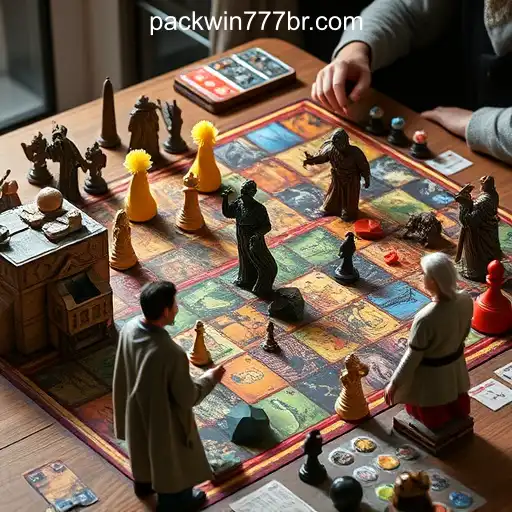
The Rise and Impact of Tabletop Games in a Digital World
In an age dominated by smartphones, video games, and online entertainment, one might think tabletop games would become relics of the past. However, they have not only survived but thrived, carving out a vibrant niche. From classic board games to modern complex role-playing adventures, tabletop games offer experiences that digital formats struggle to replicate.
The Appeal of Tabletop Gaming
Tabletop games bring people together. At their core, they are about social interaction, competition, and collaboration. The tactile nature of handling game pieces, shuffling cards, and rolling dice creates an immersive experience that's hard to match digitally. In a world where digital interactions often lack depth, tabletop games provide a richer experience that fosters community and connection.
The diversity of tabletop games is another key factor in their enduring popularity. Classic games like chess and Monopoly are timeless, but the explosion of game design in recent decades has given rise to an unprecedented variety. From strategic war games to cooperative storytelling adventures, the spectrum of available games ensures there is something for everyone.
Evolution of Tabletop Games
The evolution of tabletop gaming over the decades has been fueled by creativity and innovation. Early board games have seen countless adaptations and updates. Meanwhile, new genres such as deck-building games and legacy games have emerged, keeping the hobby fresh and exciting. The ability of designers to continually push the boundaries of what tabletop games can be has ensured their relevance.
One of the major milestones in tabletop evolution was the introduction of role-playing games (RPGs) in the 1970s, most notably "Dungeons & Dragons." These games invited players into rich narratives where they could assume unique characters and embark on quests limited only by imagination. Such immersive experiences have been a significant draw for creative minds and storytellers.
The innovation hasn't stopped. Today, designers use technology to enhance, rather than replace, tabletop experiences. Augmented reality, for instance, is finding its way into some board games, adding a digital layer to physical play processes.
The Social Component
The social aspect of tabletop gaming can't be overstated. Unlike online games, which often involve players separated by distance, tabletop games require face-to-face interaction. This physical proximity fosters a sense of camaraderie and collective enjoyment that many find missing in their digital interactions.
Whether it’s an intense game of strategy or a light-hearted party game, the shared experiences can enhance friendships and offer an escape from everyday life. Game nights become social events where people can relax and engage with each other in a meaningful way, with laughter and often unpredictable outcomes setting the tone.
Community Building
Beyond the family or friends group, many tabletop games have spawned thriving communities. Local game stores often host events and tournaments, giving enthusiasts a place to meet and share their passion. Conventions dedicated to tabletop games, such as Gen Con and Essen Spiel, draw thousands, highlighting the scale and enthusiasm within the community.
Online communities are equally vibrant, with platforms dedicated to discussing rules, strategies, and sharing homemade modifications. Social media has amplified these interactions, creating global networks of fans and creators that further accelerate the evolution and popularity of tabletop games.
Challenges and Opportunities
Despite their popularity, tabletop games face challenges from the fast-growing and highly accessible digital entertainment industry. Online casinos like PAKWIN777.com online casino Brasil #1 offer immediate gratification and varied experiences at the click of a button, attracting a demographic that might otherwise explore board games. Click the link to explore more.
However, even in this rapidly digitalizing world, the essence of tabletop gaming offers unique opportunities. The growing interest in unplugged activities—those offering a break from screens—has brought new audiences to tabletop games. Families seeking screen-free interaction and individuals looking for new hobbies have found solace in these offline experiences.
Furthermore, the accessibility of tabletop games continues to improve. Crowdfunding platforms enable designers to reach audiences directly, bypassing traditional publishing constraints. This democratization has led to a boom in independent games with innovative mechanics and themes, reflecting diverse cultures and ideas.
Future of Tabletop Gaming
The future of tabletop games is promising. They will continue to blend the digital and physical worlds, but the core of what makes them special is likely to remain unchanged. As society navigates the complexities of digital life, the foundational human need for connection and shared experiences will keep the heart of tabletop gaming beating strongly.
Tabletop games might never outshine the allure of digital entertainment on a global scale, but their unique and irreplaceable appeal ensures they will always have a beloved place in our lives.